
Poulsbo Animal Clinic
From Burnout and Risk to Relief and Growth: How Dr. Craig Adams Successfully Transitioned His Practice
Key Takeaways for Practice Owners
- Timing matters more than most owners think. Waiting doesn’t just delay a decision, but it can increase risk from staffing issues, market changes, or a drop in your practice’s valuation.
- Staffing challenges are often the tipping point. Recruiting, retention, and adapting to the evolving management dynamics can quietly become the biggest source of stress as your practice grows.
- Your practice may be worth more than you think. When there’s real demand and multiple interested buyers, your practice’s value can exceed what you expect.
- Who represents you matters. The right advisor doesn’t just guide the process; they know the buyers, create competition, manage the inevitable complexities that arise, and negotiate all of the important aspects of a complicated transaction. They make your experience easier and ultimately improve your outcome.
- Selling your practice doesn’t mean you have to give up the work you love. With the right transition structure, you can keep caring for pets while offloading the responsibilities you’re ready to leave behind.
When Dr. Craig Adams began thinking about selling his veterinary practice, it wasn’t because the business wasn’t performing. In fact, it was the opposite.
The practice was hitting its numbers, growing steadily, and positioned to continue on that trajectory. But behind that success was a reality many practice owners understand all too well: constant pressure, staffing challenges, and personal financial risk.
“We were busy and hitting our numbers just fine. But I was tired of dealing with staffing, retention, recruiting, all of that,” said Dr. Adams.
For Dr. Adams, the decision to sell wasn’t about failure. It was about sustainability.
The Challenge: Staffing, Stress, and Personal Risk
Like many independent practice owners, Dr. Adams found himself spending more time managing people than practicing medicine.
Recruiting was difficult. Retention was inconsistent. And the competitive landscape made it even harder to maintain a stable team. Dr. Adams notes that staffing was unpredictable, making it difficult to plan ahead when roles suddenly opened, and replacements weren’t readily available.
At the same time, the financial structure of ownership carried real personal risk. Multiple obligations, including loans, leases, and vendor agreements, were backed by personal guarantees. “If any of those go bad, I lose my house. I’ve seen that happen to others,” Dr. Adams said.
That combination of operational stress and personal exposure made it clear that an exit strategy wasn’t just a future consideration. It was something to act on sooner rather than later.
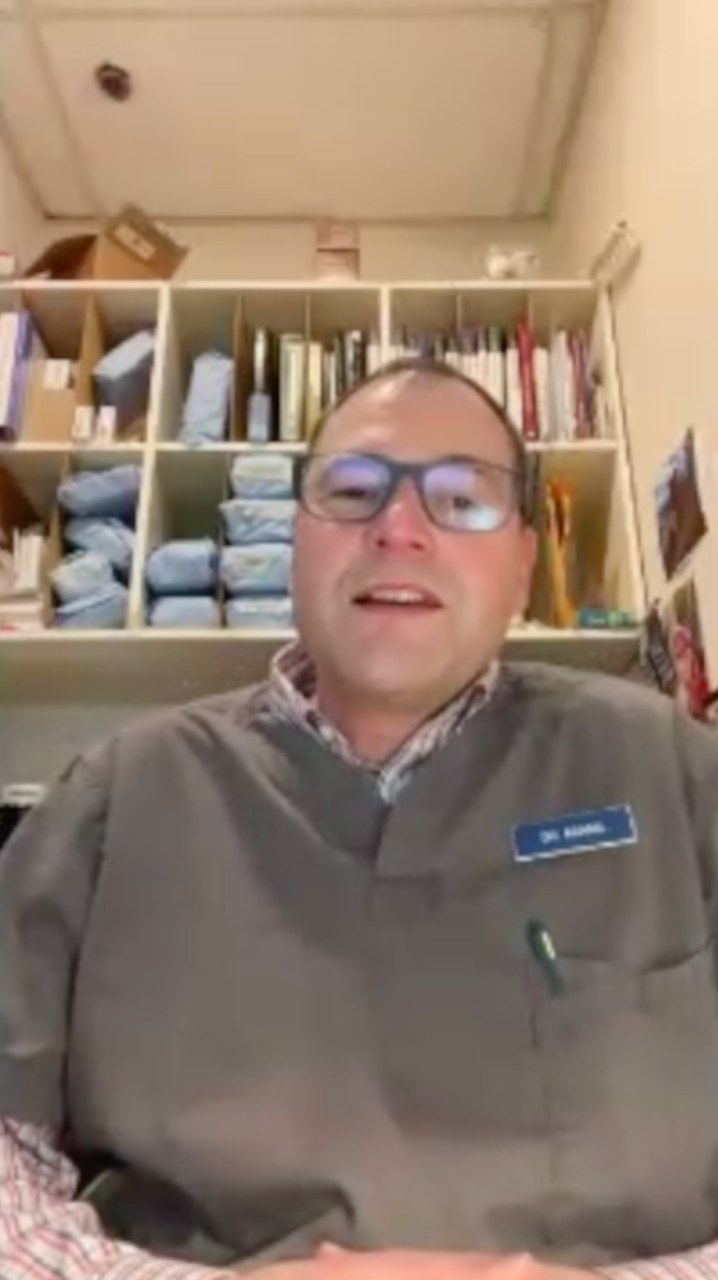
The Turning Point: Understanding the Value of the Practice
Like many owners, Dr. Adams underestimated what his practice was worth. Once he got a free valuation from 360 Vet Sales, his assumptions changed quickly. “When I saw what Matt thought we could get for it, that was a pretty exciting day,” Dr. Adams shared.
Seeing the real market value reframed the decision. Selling became less about giving something up and more about taking advantage of an opportunity.
It also introduced an important realization: timing matters.
Waiting could mean:
- Losing a key veterinarian
- Facing increased competition
- Watching production and revenue start to slip
- Seeing valuations decline
For Dr. Adams, all of those were reasons to move forward.
Why 360 Vet Sales
Dr. Adams chose 360 Vet Sales based on trust, their experience, and ability to navigate a complex process.
“There’s no way I could get the best return trying to do this myself. It would be absurd to try to sell a practice like this without a broker,” he shared.

The value went beyond valuation. 360 Vet Sales:
- Introduced multiple buyers
- Created demand and competition for the practice
- Managed negotiations
- Handled communication with advisors
“They know the players and how to leverage them against each other. That made all the difference,” Dr. Adams said.
Just as importantly, the process remained manageable. “I was able to continue running the practice full-time. It worked very smoothly for us,” Dr. Adams shared.
The Outcome: A Strong Sale and a Better Day-to-Day
Since completing the transaction, the transition has been smoother than expected.
“Once we got everything in order for the sale, it was a pretty easy process,” Dr. Adams said.
Operationally, the biggest change has been the removal of administrative burden. Staffing, once a constant source of stress, is now handled externally. “I don’t deal with any of that anymore. They just take care of it for me,” Dr. Adams shared.
Financially, the practice continues to perform and grow, with long-term goals well within reach. “We hit our first-year numbers in 11 months, and we’re on track again this year,” said Dr. Adams.
And personally, the impact has been meaningful. “It’s been a real blessing for us,” he said.
Looking Back: What He Would Do Differently
With the benefit of hindsight, Dr. Adams is clear about one thing: he would have sold his practice much sooner. Not because the outcome wasn’t strong, but because the years of stress, risk, and operational burden could have been avoided.
For Dr. Adams, the decision to sell wasn’t about stepping away from his work, but about getting back to practicing veterinary medicine without the pressures of business ownership. “At the end of the day, I still get to do what I enjoy. I just don’t have to carry everything else.”
If you would like to learn more about our process, reach out to schedule a no-obligation conversation at your convenience.
How Can We Help?
If you are interested in selling our vet clinic, have questions about our process, or simply want to talk about your options, send us a note. We will be happy to set up a time to learn about your practice and tell you more about what we do too.